If you’re in the UK and you want someone to fly a drone for you, commercially, then it’s illegal not to use a commercial drone operator.
That’s a pretty strong statement but what does it actually mean?
First of all, what does flying a drone commercially mean?
What is a commercial drone operation?
According to the CAA’s website:
A commercial operation is defined as:
‘flight by a small unmanned aircraft except a flight for public transport, or any operation of any other aircraft except an operation for public transport;
- which is available to the public;
or - which, when not made available to the public,
in the case of a flight by a small unmanned aircraft, is performed under a contract between the SUA operator and a customer, where the latter has no control over the remote pilot or in any other case, is performed under a contract between an operator and a customer, where the latter has no control over the operator,
in return for remuneration or other valuable consideration.’
The key elements in understanding this term are ‘…any flight by a small unmanned aircraft…in return for remuneration or other valuable consideration’.
The term ‘available to the public’ should be interpreted as being a service or commodity that any member of the public can make use of, or actively choose to use, (e.g. because it has been advertised or offered to someone).
Examples showing how commercial operations are defined are available in our guidance for small UAS operators.
An ‘SUA operator’, in relation to a small unmanned aircraft, is the person who has the management of the small unmanned aircraft.
A congested area means, ‘in relation to a city, town or settlement, any area which is substantially used for residential, commercial, industrial or recreational purposes’.

These rules have been established to provide a safe environment in which small unmanned aircraft can be flown without coming into conflict with manned aircraft and without risk to other people or properties.
You must have a Permission issued by the CAA before you conduct any commercial operations with your UAS.
Sorry what was that?
Ok let’s try to break that down a bit.
First of all SUA (small unmanned aerial) or UAS/UAV (unmanned aerial system/vehicle) is just another term for drone.

There are others such as RPAS (remote piloted aerial system) but we’ll just stick to drone.
We’ve highlighted the main part in the above in bold.
The key part is that if you’re paying someone to fly a drone, or even offering something valuable in return (e.g. an exchange of services) then it is a commercial flight.

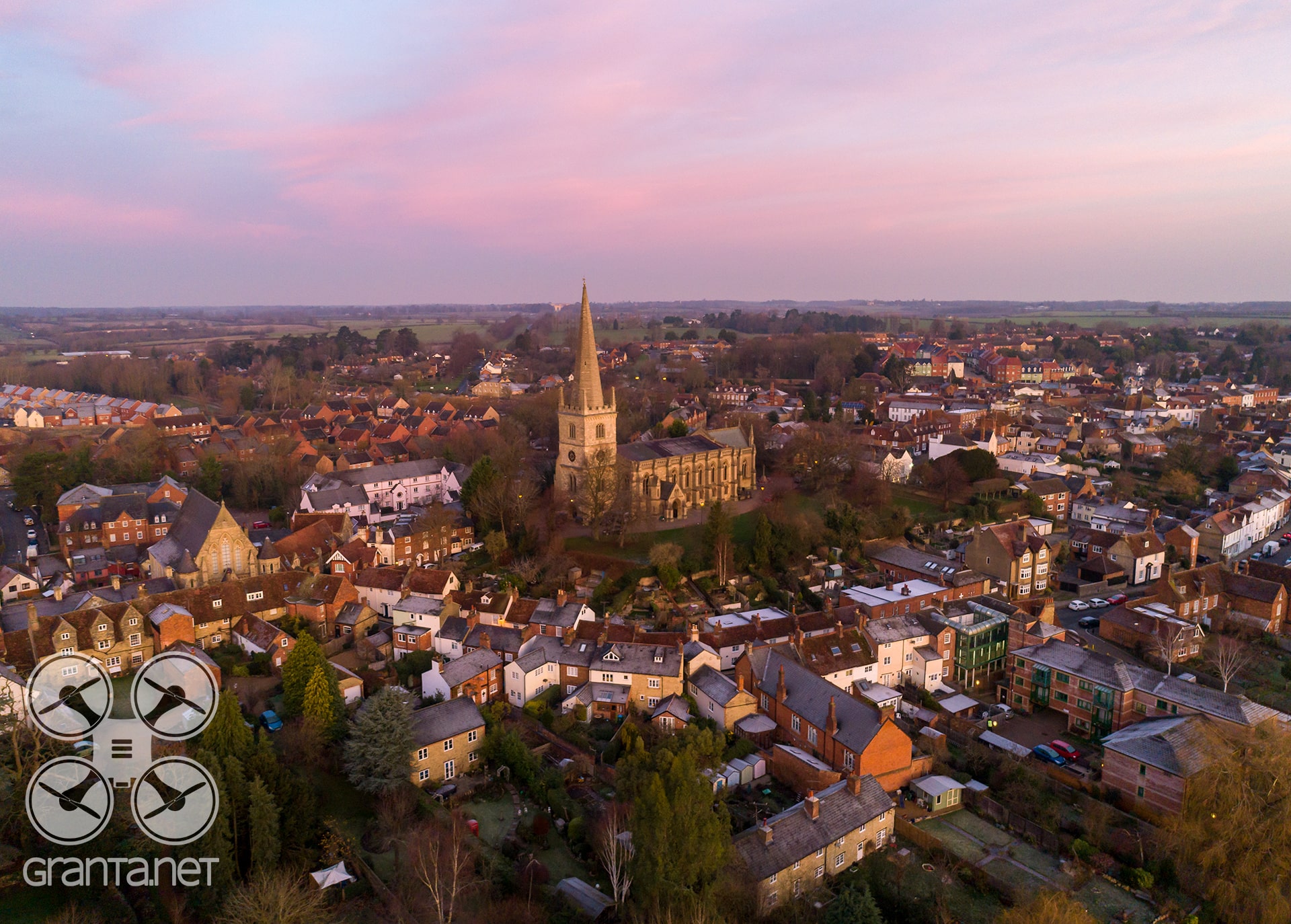
- For example an estate agent taking aerial property photos counts as a commercial drone operation.
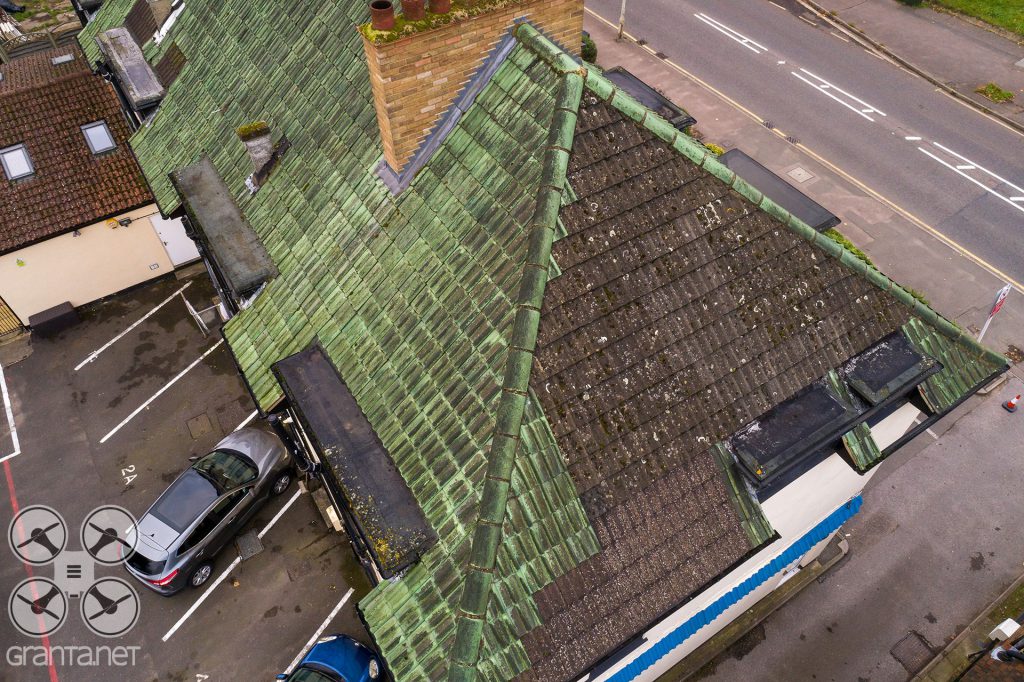
- A roofing company using a drone to carry out a roof inspection counts as a commercial drone operation.
- Other examples of forms of commercial flight are if you are flying a drone and taking photos or videos that you intend to sell on at a later date.
- Another really important point in the above is that flights in ‘congested areas’ can only be carried out by commercial drone operators.
What is a commercial drone operator?
In the UK, to be a commercial drone operator you need to have a PfCO (permission for commercial operations) from the CAA (Civil Aviation Authority).
All outdoor drone flights in the UK are covered by aviation law, as drones are considered to be aircraft, albeit small, unmanned ones (hence the S and U in SUAS).
That means that they are covered by a piece of law known as the ANO (air navigation order) that dictates UK air law.
There are specific articles within the ANO that relate to drone flights. These are articles 94 and 95 and more generally 240 and 241, that apply to all aircraft.
What’s a PfCO?
A PfCO is a Permission for commercial operations. Often referred to as a drone licence.
It’s a permission from the CAA to modify certain parts of articles 94 and 95 that allows the holder to fly drones commercially and also in congested areas.
Any UK drone operator has to have one of these if they want to fly drones commercially.
This is not the same as drone registration, although there has been plenty of confusion around that.
How do you get a PfCO?
In order to get a PfCO you have to complete a training course that consists of both practical and theory exams (a bit like a driving test for drone pilots).
You also then need to produce an operations manual, that details how you will work and fly drones safely. It includes details of emergency procedures, training, flight logs, etc.
All of this has to be approved when you apply and also every year when you renew your PfCO.
It’s (potentially) a lot of paperwork and red tape to deal with and if you want to be a commercial drone you need to become an expert at assessing and mitigating the risk of flying a drone in various situations.
- Anyone flying a drone commercially without a PfCO will not be insured (try asking insurance companies about drones…)
- They may well not have planned the flight and identified potential risks
- They may not understand what to do in the event of an emergency
- They may have limited understanding of the capabilities of their drone, especially in challenging situations
So, if you need someone to carry out any commercial drone operation, or any drone flight within a congested area (which is basically any city, town, village, industrial estate, etc) then please get in touch with us to see how we can help.